
Cyclospora, a parasite that causes “explosive” diarrhea, has surged to unusually high levels this year, as dozens of states face outbreaks and authorities race to investigate the source.
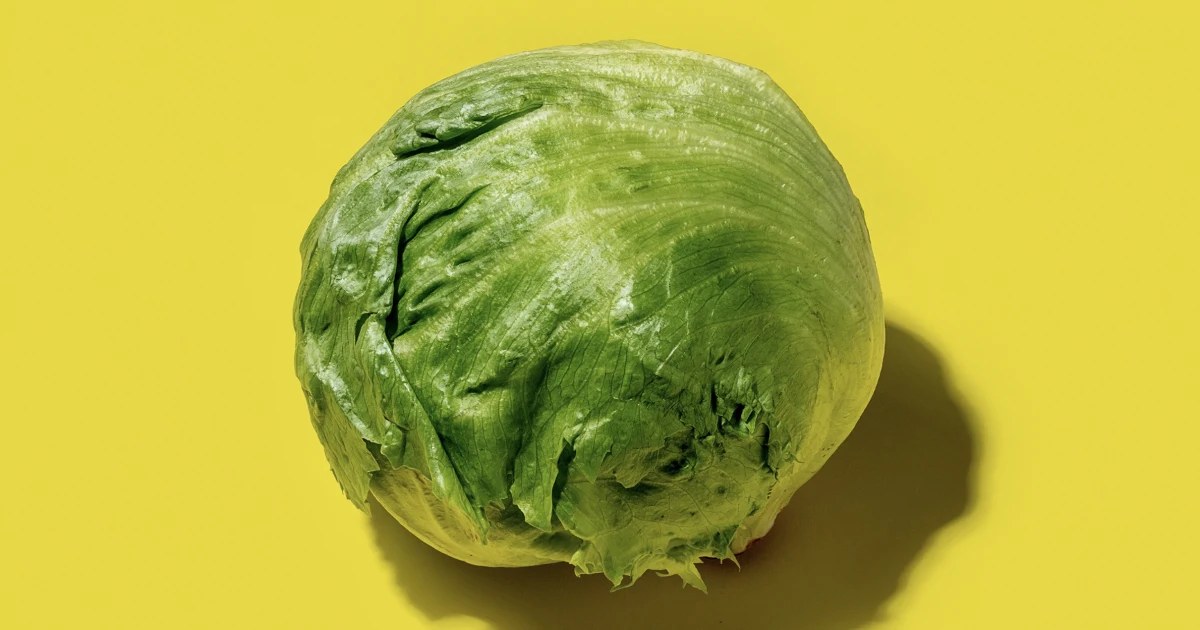
After identifying shredded iceberg lettuce imported from a supplier in Mexico, sparking a nationwide recall, federal health officials say the lettuce tested for cyclospora was a false positive — adding new confusion around the outbreak.
The intestinal infection typically peaks between May and August in the United States, but this year may be shaping up to be the worst some experts have ever seen.
According to the latest numbers from the U.S. Centers for Disease Control and Prevention, there have been nearly 7,000 confirmed and probable cyclosporiasis cases in the U.S. this year, compared to about 3,000 in previous years.
“It’s kind of surprising how big this is. ... I think this is going to be the largest ever in the U.S.,” Dr. Chuck Gerba, microbiologist and professor of virology in the department of environmental science at the University of Arizona, tells TODAY.com.
“The biggest outbreak I’ve seen was 4,000 people, but this looks like it’s going to push 8,000. There’s something different this time,” says Gerba.
Of particular concern is a massive outbreak affecting five midwestern states, including Michigan, where most U.S. cases have been recorded. Health authorities are also investigating multiple unrelated outbreaks and clusters in other regions.
2026 Cyclosporiasis Outbreak Source
At this point, one possible source of cyclospora cases in the U.S. has been identified by federal health authorities: shredded iceberg lettuce served at Taco Bell locations in five states — Michigan, Indiana, Ohio, Kentucky and West Virginia.
More than 1,644 people sickened by the parasite reported eating at Taco Bell in these five states, and the CDC and FDA are advising people not to eat shredded lettuce from Taco Bell in Michigan, Indiana, Ohio, Kentucky and West Virginia.
The lettuce was supplied by Taylor Fresh Foods, NBC News reported. The company has since recalled all of its iceberg lettuce products sourced from central Mexico from the U.S., which affects mostly food service locations but includes two Marketside brand bagged salads sold at Walmart.
The U.S. Food and Drug Administration says the recalled products were distributed in at least 27 states.
“While the FDA traceback is indicating a specific independent farm, which represents less than 1% of the U.S.’s iceberg lettuce supply, as the potential source of the outbreak, we have removed all iceberg lettuce from the region indefinitely,” Taylor Fresh Foods said in a July 17 statement.
Taco Bell said in a statement on July 17 that it had removed all of the affected lettuce from Taylor Fresh Foods from its restaurants.
On July 18, the FDA announced that a batch of lettuce from Taylor Farms de Mexico not included in the recall had tested positive for cyclospora and the company was working to identify if this lettuce was available in stores or consumers’ homes.
The following day, the agency posted an update that the sample of lettuce tested for cyclospora produced a false positive result, after the FDA conducted another review, NBC News reported.
“As of July 19, 2026, there are no confirmed positive sample results for product testing for Cyclospora,” the FDA said in an update on Sunday.
The development does not affect the voluntary recall of iceberg lettuce, which is ongoing. The FDA said it is working with Taylor Farms “to ensure the product implicated in this outbreak has been removed from the market.”
It’s unclear if produce from Taylor Fresh Foods may be linked to outbreaks in other states. In the meantime, many food shoppers are left questioning what’s safe to eat.
As U.S. health authorities continue to investigate the rise in cyclosporiasis cases across the country, should you be taking extra precautions when grocery shopping or eating out?
Here’s how food safety experts are staying safe.
Editor’s note: These interviews were conducted on July 16, before Taylor Farms announced its recall of its iceberg lettuce sourced from central Mexico and Taco Bell announced it had removed the affected lettuce from U.S. locations.
Opt for Heads of Lettuce Over Bagged
Wade Syers, a food safety specialist with Michigan State University Extension, tells TODAY.com he is not changing his produce habits “dramatically” — but encourages everyone to stay informed as the investigation develops.
Most lettuce products on the market are likely still safe. However, Syers opts for whole heads rather than bagged salad mixes and always prepares them with food safety in mind, such as by removing the outer leaves.
“Fresh fruits and vegetables remain an important part of a healthy diet ... (so) what I am doing is paying closer attention to how produce is handled and prepared,” Syers explains. “I’m making sure produce is washed under running water, using a produce brush when I can, peeling produce when appropriate.”
The primary guidance from the FDA at this point is not to eat the recalled lettuce: If you purchased one of the affected items at Walmart, throw it away; if you’re at a food service location, ask about the source of the iceberg lettuce before ordering it.
Consider Switching to Grain-Based Salads
Compared to other foodborne diseases, cyclospora incidents are still “very rare,” Luke LaBorde, Ph.D., professor emeritus of food science at Penn State University, tells TODAY.com.
(Take salmonella, for example, which sickens about 1.35 million Americans every year, per the U.S. Department of Agriculture.)
Pending the results of the investigation, LaBorde isn’t cutting out produce. However, LaBorde says he and his wife are taking extra precautions given their older age, which increases the risk of serious foodborne illness.
“We have considered switching to grain-based salads such as tabbouleh or pasta salads,” says LaBorde. “We’ll be traveling by car from Pennsylvania to Wisconsin next week and will avoid prepared salads at rest stops as we get closer to Michigan.”
Be Cautious About Fresh Herbs
Dr. Robert Mandrell, a microbiology researcher and former USDA official, has been involved in cyclospora research since 2013.
“I’m still eating fresh produce right now,” Mandrell tells TODAY.com. However, there’s one item Mandrell sometimes avoids due to its role in past outbreaks: “Out of an abundance of caution, I may avoid cilantro grown in Mexico.”
“I think lettuce is not going to be the sole ingredient (involved) in this outbreak. There’s probably more sources, and that makes it unusual and weird in a way,” Mandrell adds.
Remove the Outer Leaves
“The studies we’ve done on lettuce contamination show that ... none of the viruses, bacteria, parasites get past the first outer leaves, from what we’ve seen,” Gerba says. “I feel safe just taking the outer leaves off of a head of lettuce.”
The CDC also recommends removing the skin or peel if possible, and cutting away damaged or bruised areas of produce.
Washing produce can help eliminate the parasite, along with debris and other bacteria, but won’t kill cyclospora, Gerba explains. He recommends using clean, running water avoiding using soap or other cleaning products.
Cyclospora is notoriously hearty. It’s resistant to vinegar, bleach, and chlorine, Gerba explains.
Triple-Wash Produce
As an infectious disease doctor, Dr. Rebecca Schein always washes her produce at least three times before eating.
“Lettuce and other salad greens, especially in premade salad mixes, are a likely source of infection,” Schein, who treats pediatric patients at Michigan State University Health Care, tells TODAY.com.
Schein isn’t avoiding lettuce either, but sticks to whole heads and only eats the inner leaves after washing them well.
If you buy bagged, pre-washed lettuce, Schein still recommends taking out all the leaves and washing them before eating.
“Wash fresh produce and then wash again for good measure. Basically, you cannot over wash fresh produce,” Schein adds.
The goal of washing produce is to remove as many oocytes — the spores of cyclospora — as possible to reduce the risk of exposure. “You’re just washing the parasites down the drain, not killing them, so remember to wash out your sink as well,” says Schein.
Cook Vegetables If You’re High-Risk
People who have compromised immune systems should be more careful. “Consider avoiding lettuce, salad greens and fresh herbs, as washing is not 100% effective,” says Schein.
Heat is the only way to destroy the cyclospora parasite, says Syers. Cooking food to an internal temperature of 158 degrees Fahrenheit is the safest option, the experts note.
Gerba and Syers agree that anyone who is concerned about getting sick with cyclospora can avoid raw, fresh produce for the time being and cook their vegetables instead.
Keep Produce Habits Largely the Same
“I’m still not changing my fresh produce consumption habits, but I continue to pay attention to the news,” Donald Schaffner, Ph.D., professor of food microbiology in the Department of Food Science at Rutgers University in New Jersey, tells TODAY.com.
“Almost all servings of fresh fruits and vegetables you can buy on the market today are not linked to this outbreak,” Schaffner adds.
As investigations continue, your best bet is staying updated and looking out for any CDC warnings or FDA recalls, he says.
If you develop cyclosporiasis symptoms, contact a health care provider, Schein advises.