
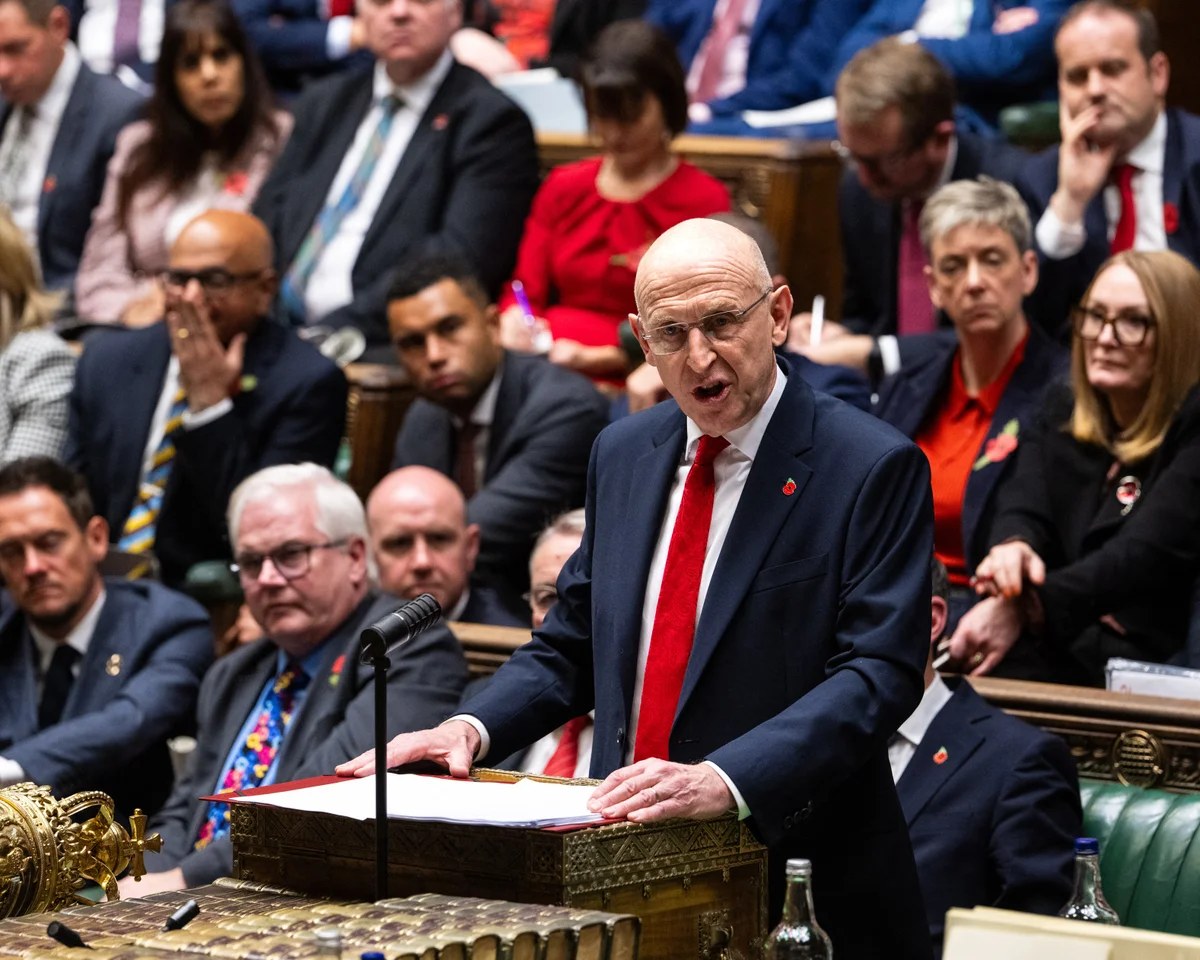
The Institute for Fiscal Studies said Wednesday’s budget was “broadly the budget that many people were expecting”.
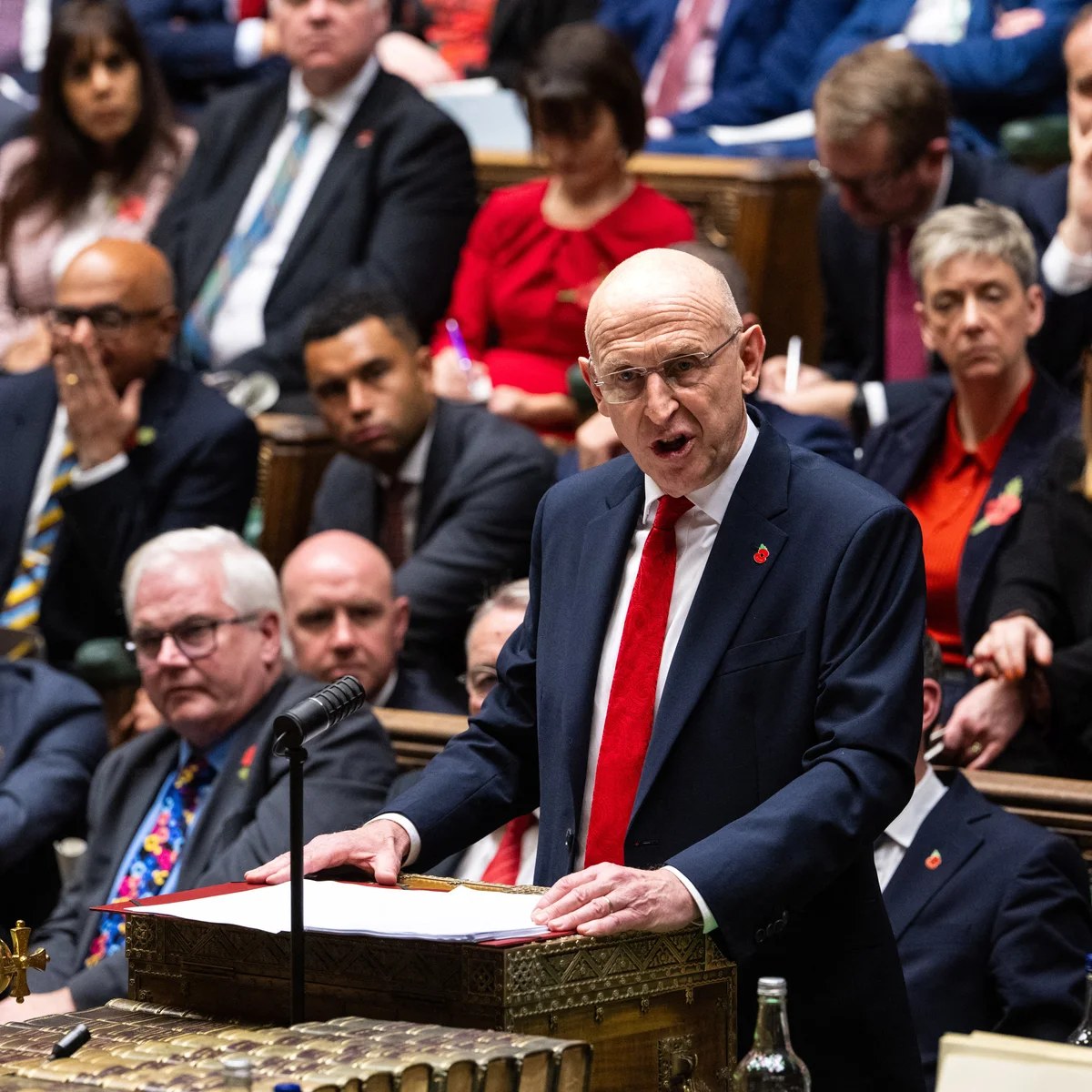
IFS director Helen Miller told journalists at a press briefing:
A relatively small cost of living package and a handful of tax rises. Borrowing higher across the rest of the decade. Nods that there are bigger things to come, including in the 10-year plan.
One surprise was the length of the scorecard. There were a whopping 98 measures. Some of this seemed to be in the spirit of the prime minister’s ‘everyday fixes’ – small measures that make things better. Sadly, there was also a lot of small, unhelpful fiddling with the tax system.
That she [Christine Lagarde] leaves early is no surprise and does not change the outlook for ECB policies and for the way the ECB deals with French risks, in our view. Only the timing of her announcement has come as a modest surprise.
For now, Klaas Knot from the Netherlands and Spain’s Pablo Hernandez de Cos remain the favourites to succeed Largarde. In addition to the usual issues of monetary policy competence and regional balance on the board, the question who may be best placed to deal with potential financial turbulences will likely play a key role in the choice of new ECB leaders. As a former chair of the G20’s Financial Stability Board (FSB), Knot may have an edge in this respect.
The European Union is trying to guard itself at least somewhat against the risk that right-wing Marine Le Pen may win the French presidential election in April/May 2027. Lagarde’s successor will still be appointed while the staunchly pro-European centrist Emmanuel Macron still resides in the Elysee Palace. He is a long-term political adversary of Le Pen.
Despite mounting problems, France is not (yet) close to a full-blown crisis. In case of a dramatically worsening crisis, the ECB could use its tools such as liquidity injections into short-term funding markets to prevent them from seizing up and/or deploy its “Transmission Protection Instrument (TPI)” to shield other countries such as Italy from contagion risks.
Continue reading...